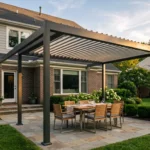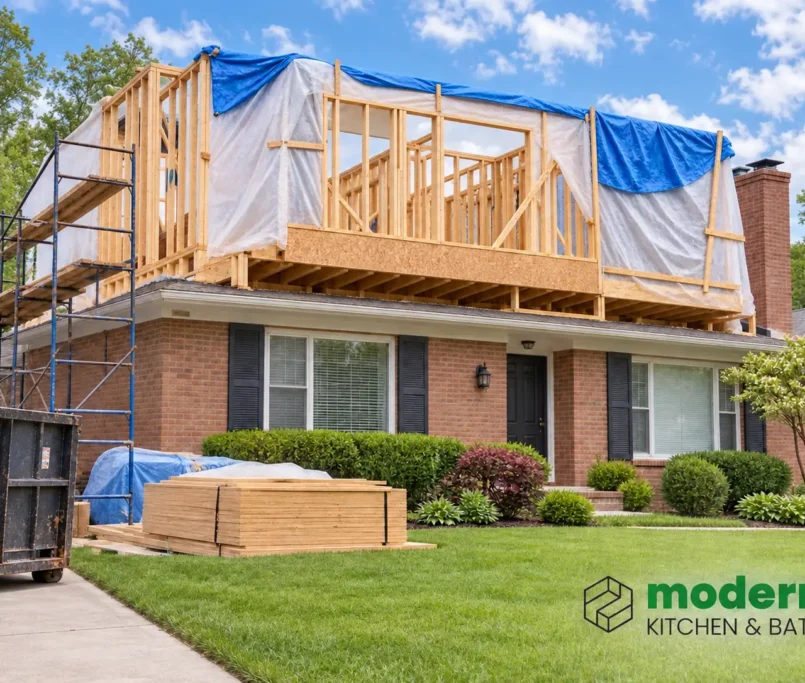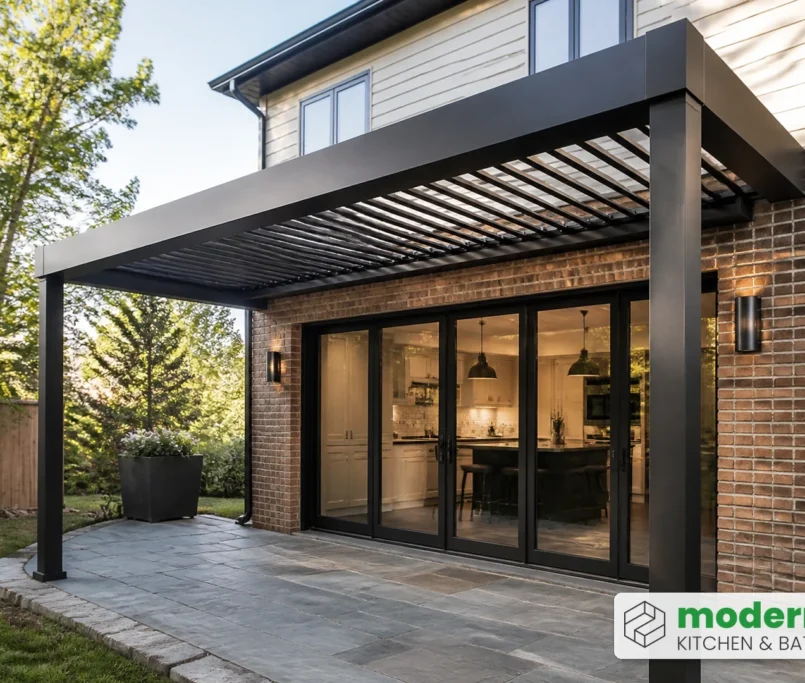
A well-built pergola can last two years or twenty. The difference usually isn’t the material. It’s what happens after installation, and a couple of decisions that get made without much thought. The same cedar structure lasts a decade with the right care and starts rotting at the base in three without it. Most of the upkeep mistakes that cut a pergola’s life short are small, routine, and completely avoidable once you know what to watch for. Here are the ones that come up most often, drawn from what homeowners actually run into, and the habits that prevent them.
If you’re still in the planning stage, our pergola design metrics guide covers how material choice affects long-term maintenance before you ever buy. This article is about keeping the structure you already have in good shape.
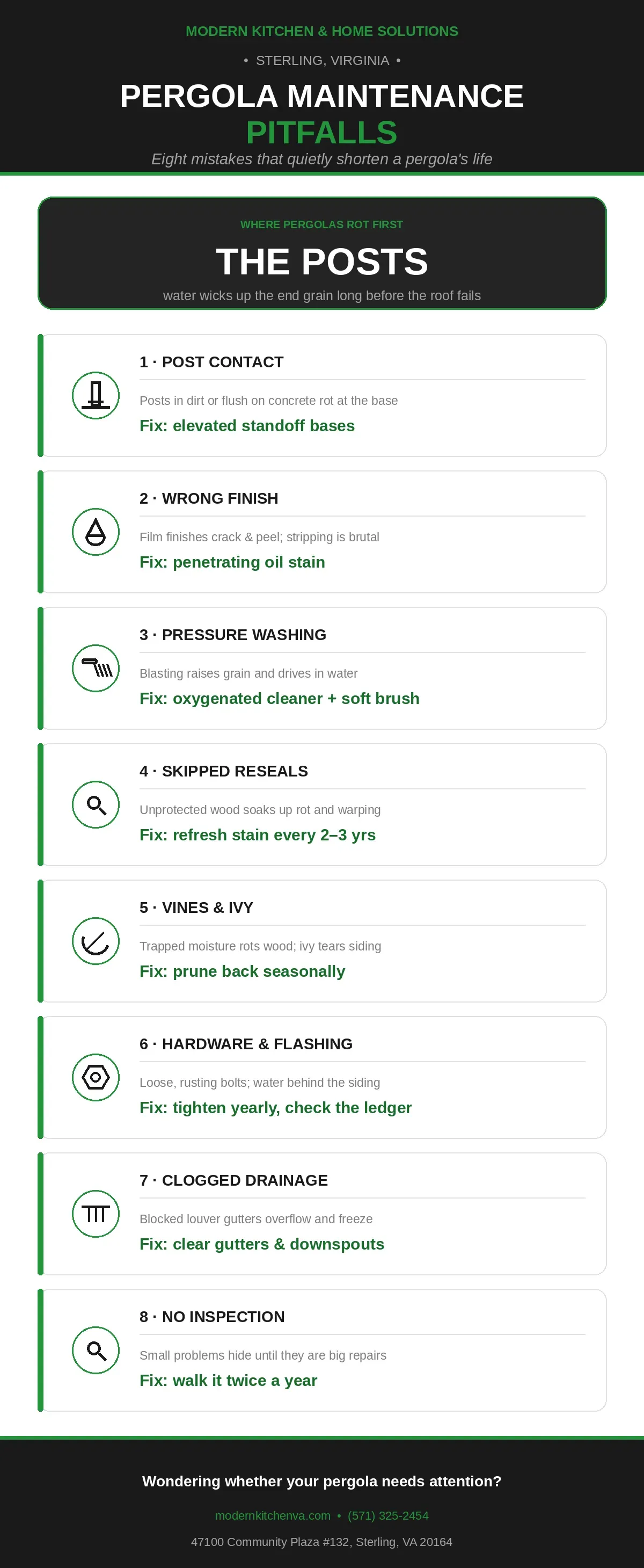
Pitfall 1: Letting the Posts Sit in Ground or Concrete Contact
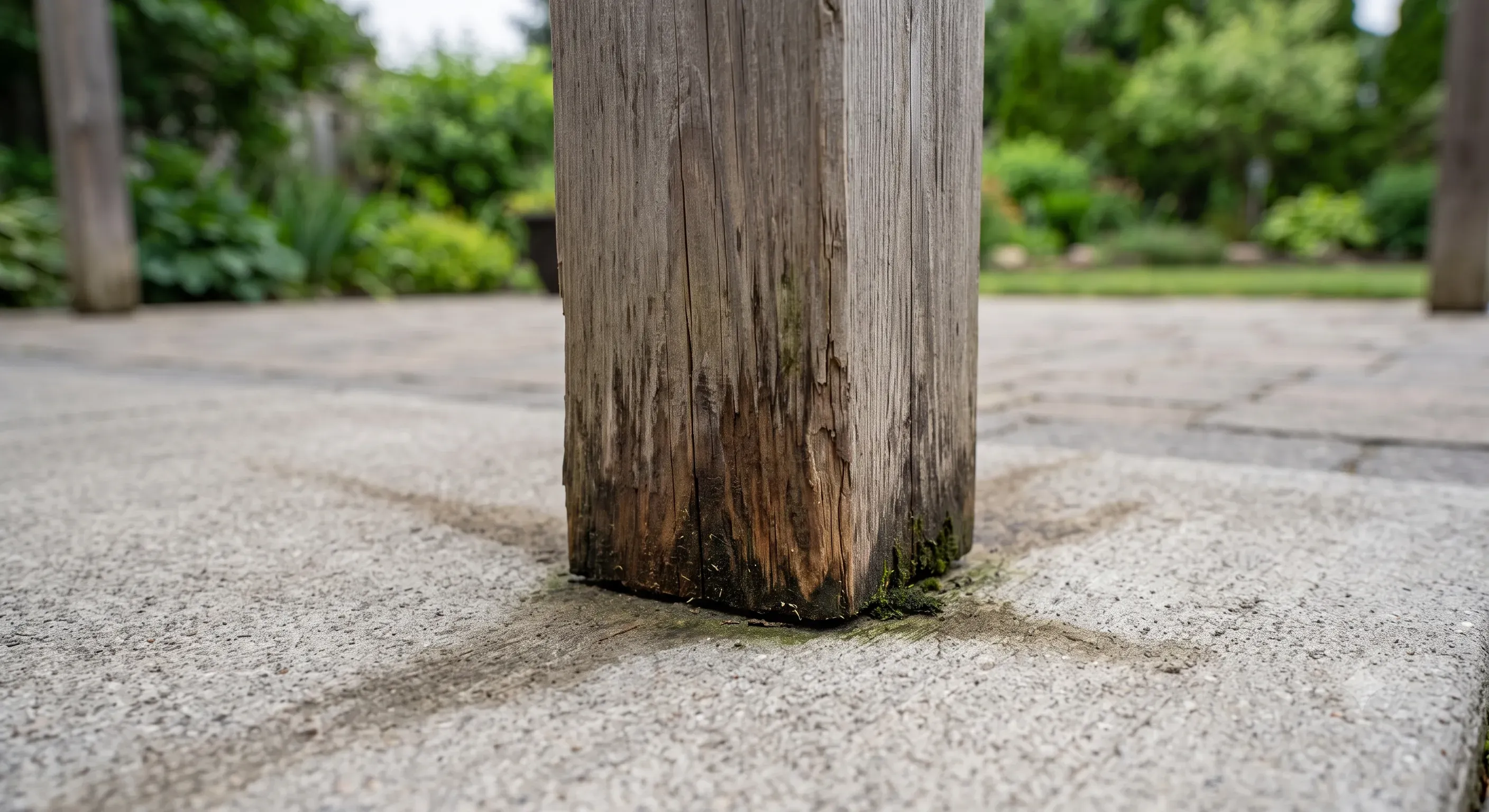
If a pergola fails, this is almost always where it starts. Ask anyone who has torn one down and the story is the same: the roof looked fine, but the bottom of a post had gone soft and the whole structure was leaning. Posts set directly in dirt, or sitting flush on a concrete slab, wick water up through the end grain. The base stays damp long after the rest of the structure has dried, and that constant moisture rots the wood from the bottom up, often out of sight until a post is visibly tilting.
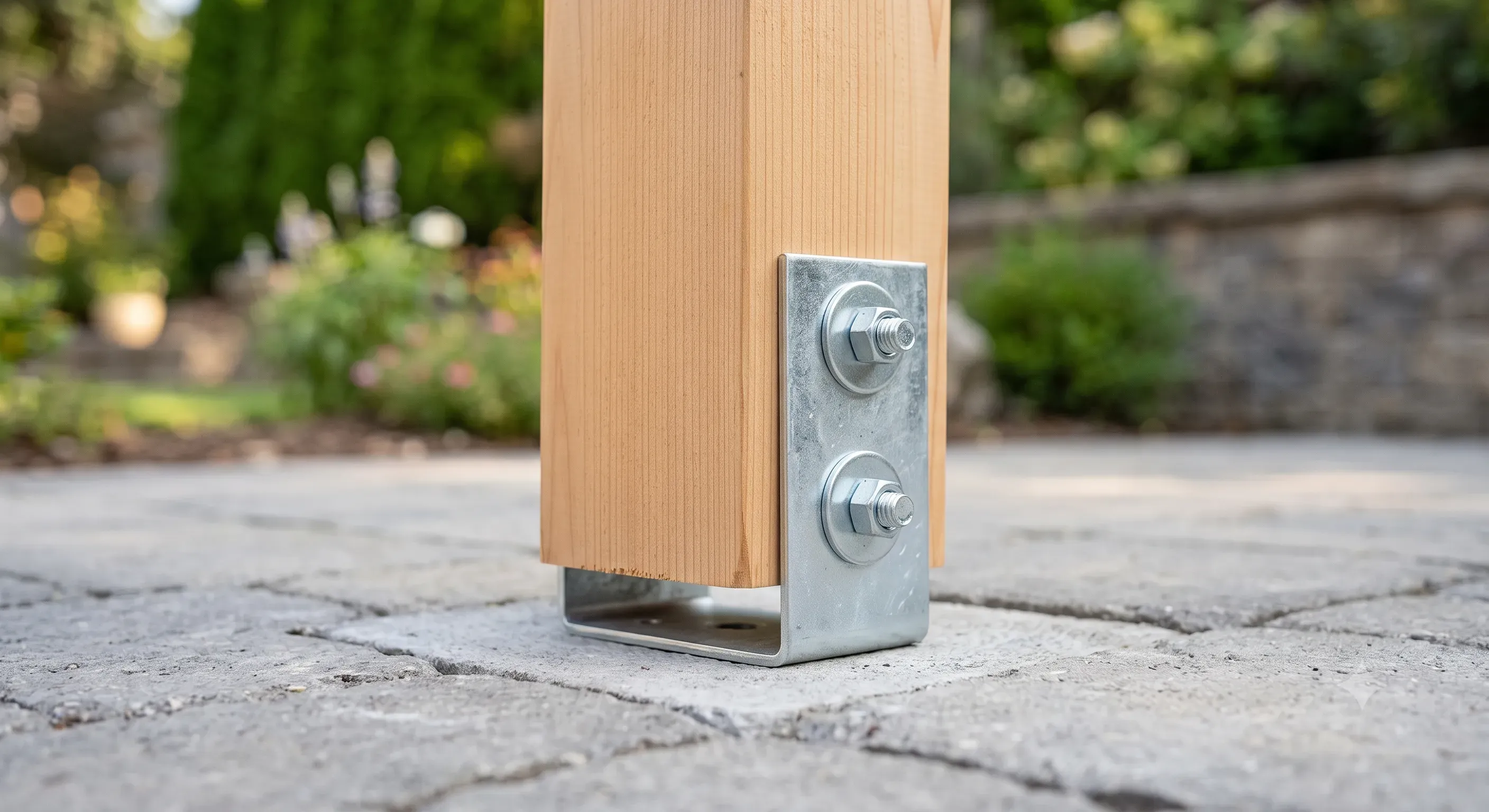
The hard truth is that structural rot can’t be patched. Once a load-bearing post has rotted through at the base, the fix is replacement, not filler. The good news is that prevention costs very little and lasts. If your posts sit on an elevated metal standoff base that raises the wood an inch or so off the concrete, the end grain stays dry and the post can last decades. If yours are set directly in the ground or flush on concrete, sealing the post bottoms with an end-grain sealer or epoxy buys real time, and retrofitting standoff brackets is the durable fix. This is also why we set posts on elevated bases from the start, a detail covered in our pergola design metrics guide.
Pitfall 2: Using the Wrong Finish
Not all “sealing” is equal, and the wrong product actively makes future upkeep worse. The mistake is reaching for a film-forming finish, the poly, spar urethane, and glossy “deck sealer” products that build a hard surface layer. Under Virginia’s UV and freeze-thaw swings, that film cracks and peels, and stripping the failed finish off later is a genuinely miserable job. Plenty of homeowners learn this the hard way: the spar coat fades and flakes, and they end up sanding it all off anyway.
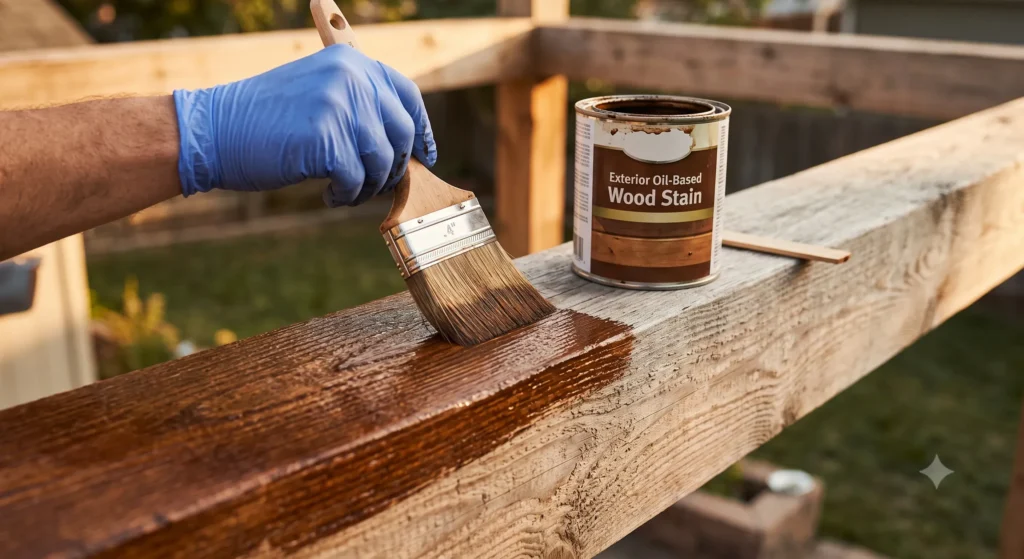
For longevity, use a penetrating oil-based stain instead. It soaks into the wood rather than sitting on top, so it fades out gradually instead of peeling, and recoating is just a clean-and-reapply with no stripping. Skip raw linseed oil and boiled linseed oil too, tempting as they seem: they offer no real UV protection or mildewcide and can black-spot within a season on horizontal beams. Pick a penetrating exterior stain with UV protection and a mildewcide, and the recoat cycle stays simple for the life of the structure.
Pitfall 3: Reaching for the Pressure Washer (or the Sander)
A pressure washer feels like the fast way to clean a pergola. It’s also one of the fastest ways to damage one. The high-pressure stream raises and chews up wood grain, leaving a fuzzy, splintered surface that soaks up water more readily afterward, and on aluminum or vinyl it strips the protective finish. Even people who insist on using one are advised to keep it on the lowest setting, because pressure washing mostly drives more water into the wood.
Sanding the whole structure isn’t the answer either. It’s exhausting, and it can actually hurt how well stain absorbs. The approach that works better is gentler and less work: clean with an oxygenated wood cleaner (a sodium percarbonate product) to lift old finish and kill mildew, follow with a wood brightener to neutralize it, then let it dry a couple of days before staining. For routine cleaning between refinishes, a soft-bristle brush, mild soap, and a garden hose are all you need. Save the pressure washer for the patio pavers, not the structure above them.
Pitfall 4: Skipping the Reseal Schedule
Even the right finish only works if it’s actually reapplied. Wood left to go unprotected absorbs moisture, and moisture is what drives the rot, warping, and cracks that let insects in. The upkeep itself is simple, but it has to happen on a rhythm.
For a wood pergola, plan to refresh a penetrating exterior stain and sealant every 2 to 3 years, and expect the color to need attention somewhere in the 3-to-5-year range. Pressure-treated lumber should only get its first coat after the treatment has fully dried, which can take a few months post-installation. Miss a couple of cycles and the damage stops being cosmetic. It becomes structural, and structural repairs cost far more than a can of stain and an afternoon.
Pitfall 5: Letting Vines and Foliage Trap Moisture
Climbing vines are one of the most popular pergola features and one of the quietest sources of long-term damage. Dense foliage holds moisture directly against the wood or metal it grows on, and that constant dampness accelerates rot and works into finishes. Overgrown vines also add real weight the structure wasn’t necessarily sized to carry over time.
Ivy deserves a specific warning, especially on an attached pergola: it roots into siding and masonry and tears up the exterior of the house it climbs. The same caution applies to nearby trees and shrubs, where overhanging branches trap moisture and drop debris into the joints. Keeping vines pruned back and clearing overhanging growth once or twice a season lets the structure dry out between rains, which is exactly what it needs to last.
Pitfall 6: Ignoring Hardware and Ledger Flashing
Every pergola moves a little. Seasonal temperature swings, wind, and the natural expansion and contraction of the material gradually work fasteners loose. A bolt that was snug at installation can back off within a year or two, and a structure with loose connections flexes more in wind, which loosens things further. Corrosion compounds it: rusting nuts and bolts lose their grip, and on many woods, corroding fasteners bleed dark tannin streaks down the posts. Once a year, check every visible bolt, screw, and bracket, tighten anything that’s backed off, and replace anything rusting, ideally with stainless.
On attached pergolas, the connection that matters most is the ledger board where the structure meets the house, and the real risk there isn’t the pergola failing. It’s water getting behind your siding. A ledger without proper flashing, or a pergola that has settled to drain back toward the house instead of away from it, lets water track into the wall, and that can go unnoticed until it shows up as rot in the framing or a stain spreading on the siding. If you see water staining on the house-side board or standing water near the ledger, treat it as a flashing problem to solve, not a cosmetic one.
Pitfall 7: Neglecting Louvered Roof Drainage
Motorized and louvered aluminum pergolas solve the rain problem that open-lattice structures can’t, often by channeling water into gutters built into the frame and posts. That drainage only works if it’s clear. Leaves, pollen, and debris build up in the gutters and downspouts over a season, and a clogged channel sends water spilling over the seating area the roof was meant to protect, or backs it up where it can freeze and stress the frame.
If your pergola has a louvered or solid roof with integrated drainage, add the gutters and downspouts to your cleaning routine, and give the motor and moving louvers a look while you’re at it. Our guide on adjusting louvered pergola shades covers getting the most out of the mechanism itself.
Pitfall 8: Skipping the Twice-a-Year Inspection
Most of the pitfalls above share a root cause: nobody looked until there was a visible problem. A pergola doesn’t announce a soft post base, a loose bracket, or a clogged gutter. By the time those are obvious from the patio, the repair is bigger than it needed to be.
Twice a year, ideally in spring and fall, walk the structure and actually look at it. Press on the base of each post to check for soft spots, scan the wood for cracks or discoloration, confirm the hardware is tight and rust-free, check the ledger and flashing on attached structures, and clear any drainage. Fifteen minutes of looking catches nearly everything on this list while it’s still a small fix instead of a post replacement.
A Note on Raw Cedar and Redwood
Not every pergola needs a finish at all. Cedar and redwood are naturally rot-resistant, and plenty of homeowners let them weather to a silvery gray and leave them completely unfinished, where they can last decades. That’s a legitimate low-maintenance path, not a shortcut. The one condition that still applies is the same as Pitfall 1: even naturally durable wood rots if its posts sit in ground or concrete contact. Keep the bases up and dry, and raw cedar is one of the easiest structures in the yard to own.
Maintenance Pitfalls at a Glance
| Pitfall | What It Causes | Do This Instead |
|---|---|---|
| Posts in ground/concrete contact | Rot at the base, leaning, post replacement | Elevated standoff bases; seal post-bottom end grain |
| Wrong finish (film-forming) | Cracking, peeling, miserable stripping | Penetrating oil stain with UV + mildewcide |
| Pressure washing or sanding | Splintered grain, poor stain absorption | Oxygenated cleaner + brightener; soft brush for routine cleaning |
| Skipping the reseal schedule | Rot, warping, insect damage | Refresh stain/sealant every 2–3 yrs |
| Trapped moisture from vines | Accelerated rot; ivy tears up siding | Prune seasonally; keep ivy off the house |
| Loose or corroding hardware | Wind flex, tannin streaks, ledger leaks | Tighten yearly; replace with stainless; check flashing |
| Clogged louver drainage | Water pooling, overflow, frame stress | Clear gutters/downspouts; check the motor |
| No routine inspection | Small problems become big repairs | Walk and inspect twice a year |
Frequently Asked Questions for Common Pergola Maintenance Pitfalls
Where does a pergola usually rot first?
At the base of the posts. Posts set directly in soil or sitting flush on concrete wick water up through the end grain, and the bottom of the post stays damp and rots long before anything at the top. It’s the most common structural failure by far, and once a load-bearing post has rotted through, it needs to be replaced rather than patched. Elevated standoff post bases prevent it.
How often should I clean my pergola?
A thorough cleaning twice a year handles most climates, with an extra rinse if pollen, debris, or bird droppings build up on the roof. Use a soft-bristle brush with mild soap and a garden hose for routine cleaning rather than a pressure washer, which can splinter wood or strip protective finishes.
What’s the best finish for a wood pergola?
A penetrating oil-based exterior stain with UV protection and a mildewcide. It soaks into the wood and fades gradually instead of peeling, so recoating never involves stripping. Avoid film-forming finishes like spar urethane and poly, which crack and peel under sun and freeze-thaw cycles, and skip raw or boiled linseed oil, which offers little UV protection and can grow mildew.
Are pergolas high maintenance?
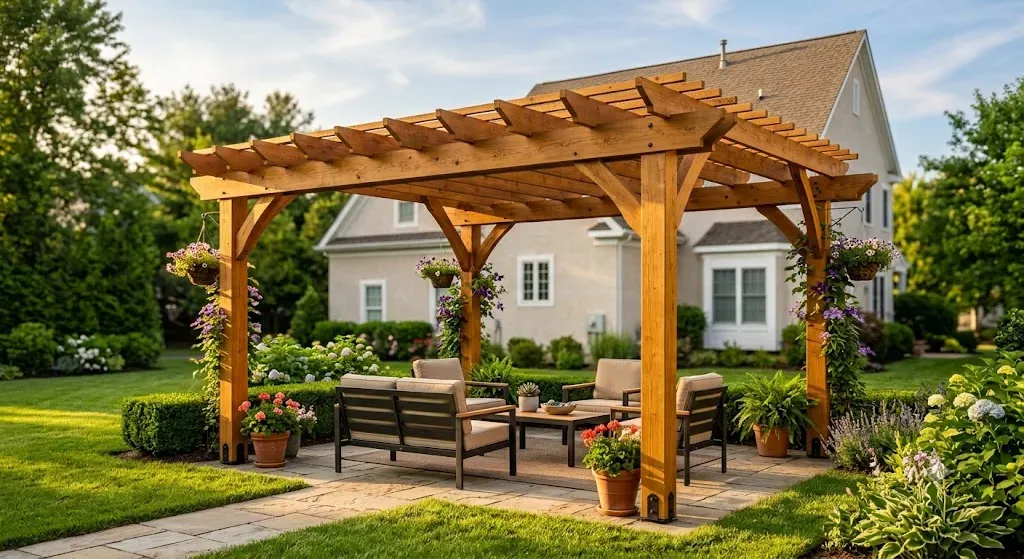
It depends on the material. Wood pergolas need regular staining, sealing, and inspection to prevent rot and insect damage. Powder-coated aluminum is the most hassle-free, needing little more than an occasional wash. Vinyl falls in between, mostly requiring cleaning to prevent mildew, while steel needs its protective coating maintained to avoid rust.
Can I pressure wash my pergola?
It’s best avoided. A pressure washer raises and tears wood grain and strips the finish off vinyl or aluminum, doing more harm than the dirt it removes, and it drives water into the wood. An oxygenated wood cleaner followed by a brightener does a better job of prepping for refinishing, and a soft brush with mild soap handles routine cleaning.
How do I get mildew off my pergola?
For stubborn mildew or algae, use an oxygenated wood cleaner, or a solution of about one cup of bleach per gallon of water or a half-water, half-white-vinegar mix. Let it sit 10 to 15 minutes, scrub gently with a soft brush, and rinse thoroughly. Avoid abrasive pads, especially on powder-coated aluminum, since they damage the finish.
What is the lifespan of a pergola?
It varies widely by material and upkeep. A wood pergola can last anywhere from a couple of years to 20 or more, and the deciding factor is usually how it’s built and maintained, especially whether the posts stay out of ground contact, rather than the wood itself. Powder-coated aluminum routinely reaches 25 to 40 years with minimal maintenance, part of why it’s such a popular choice for homeowners who don’t want an ongoing upkeep schedule.
Protecting the Investment You Already Made
None of this upkeep is difficult, and none of it is time-consuming once it’s a habit. Keeping the post bases dry, choosing a penetrating finish, staying on a reseal rhythm, and looking the structure over twice a year will carry almost any pergola well past the point where a neglected one starts to fail. The mistakes on this list cost almost nothing to avoid and a great deal to reverse, which is the whole argument for staying ahead of them.
At Modern Kitchen, we build pergolas for Northern Virginia homeowners with long-term durability in mind, from elevated post bases to material choices suited to our climate, and we’re happy to advise on keeping yours in good shape for the seasons ahead.
Thinking about a new pergola, or wondering whether yours needs attention?
Found this helpful? Make us your go-to source on Google
If our content has been useful, you can tell Google to show more of it when you search. Click below, then check the box next to Modern Kitchen and Bath on the page that opens. It takes about five seconds.

You'll need to be signed in to your Google account. One click, then tick the box next to our name.