
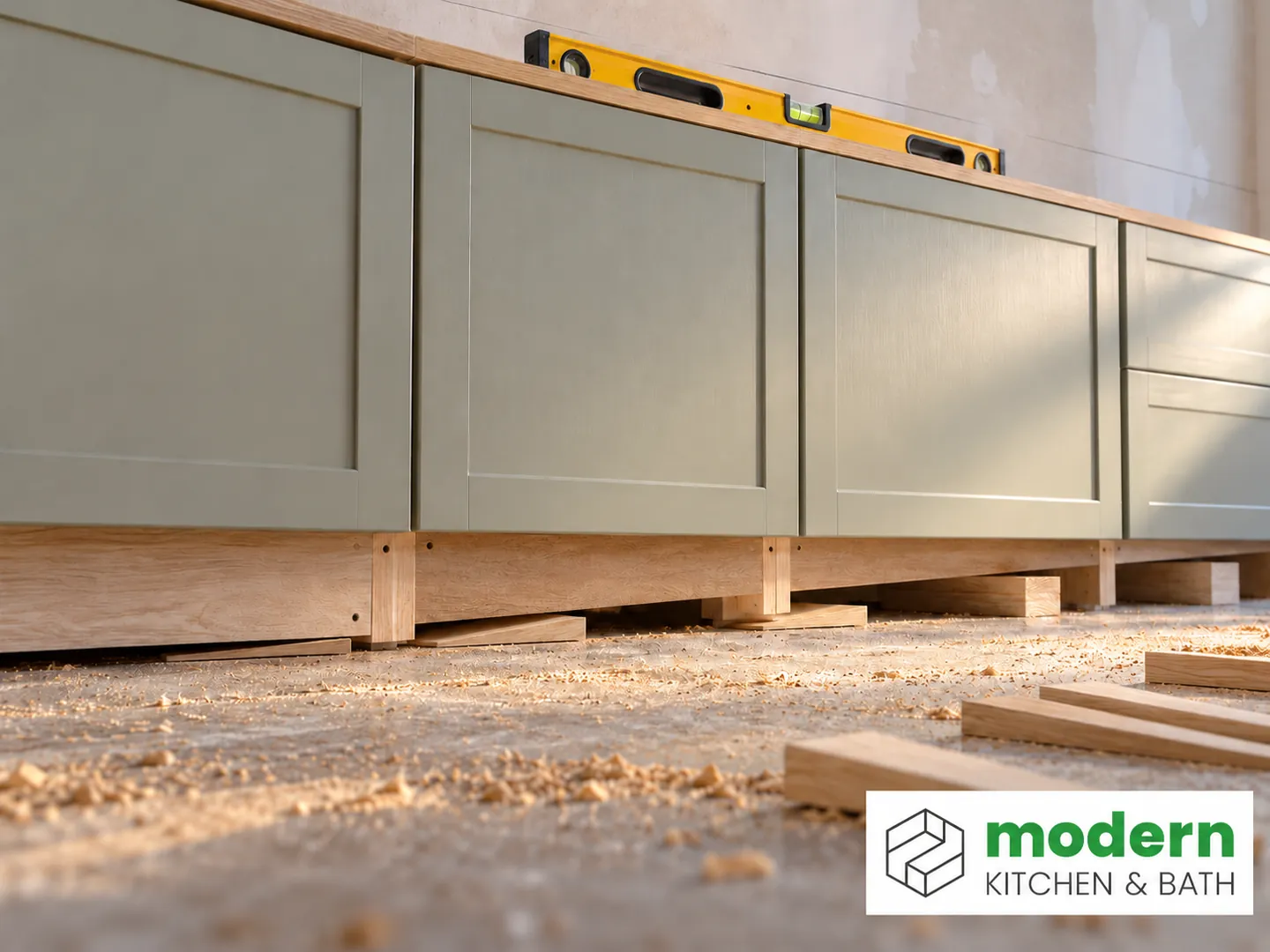
Professional cabinet installation in Northern Virginia runs about $75 to $175 per linear foot, putting a typical 20 linear foot kitchen at $1,500 to $3,500. Here is what a full install includes, how long it really takes, and how to tell good work from work that was rushed.
Thank you for choosing USA Cabinet Store of Cary for your kitchen renovation! It was a true pleasure collaborating with you on the cabinets, countertops, and tile details. We appreciate your thoughtful words regarding our organization, responsiveness, and pricing, and we hope you enjoy your newly remodeled space for many years to come.
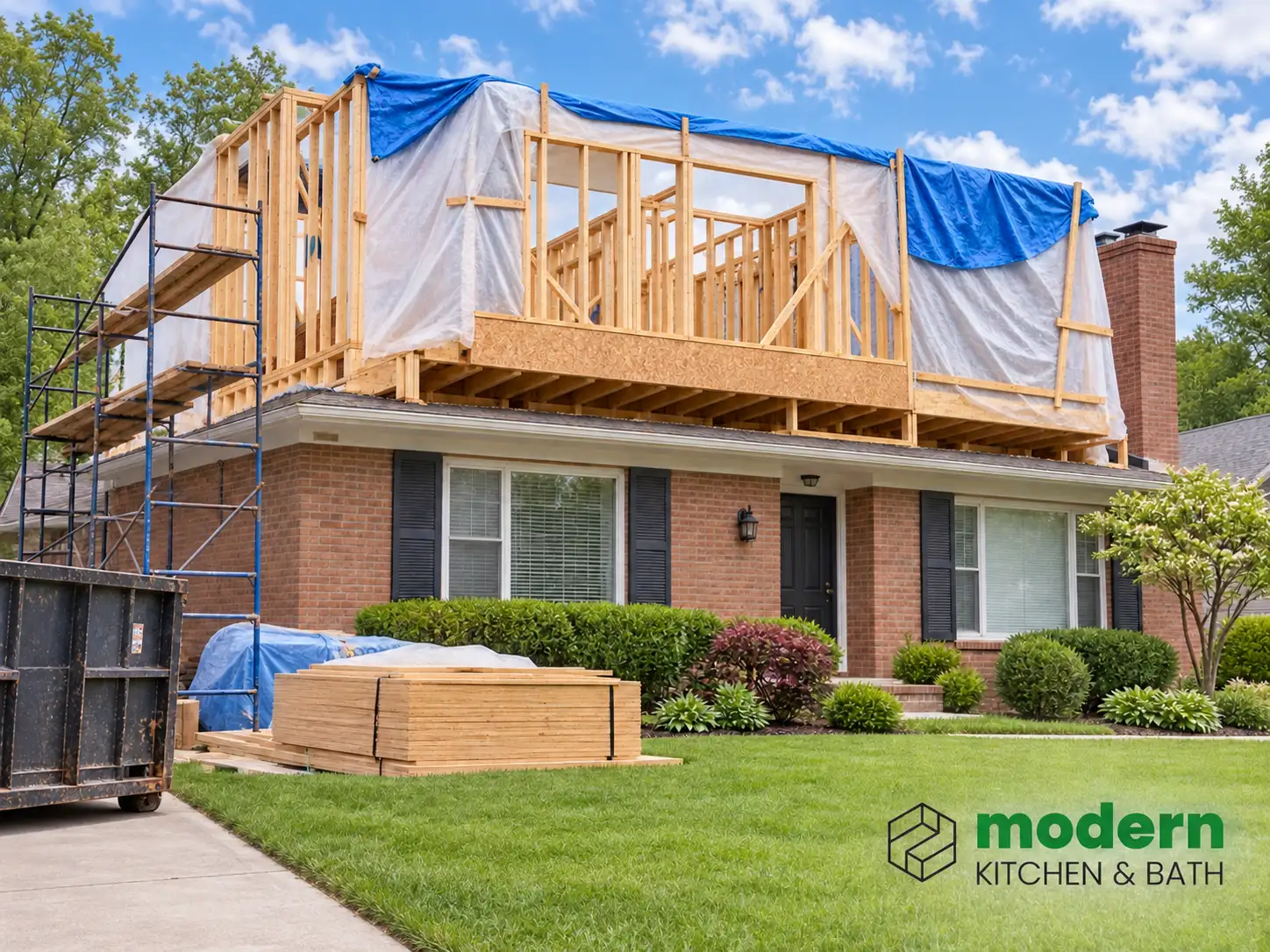
Quick answer: in Northern Virginia in 2026, a ground-floor addition runs about $150 to $350 per square foot and a second-story addition $250 to $500 or more per square foot. A typical mid-range project in this market lands around $175,000 to $275,000. A small bump-out can start near $25,000, while a full second story or […]
In Northern Virginia you need a permit the moment work touches structure, electrical, plumbing, mechanical or gas. Here is what is exempt, what each county charges, how long review takes, and what unpermitted work costs you at resale.
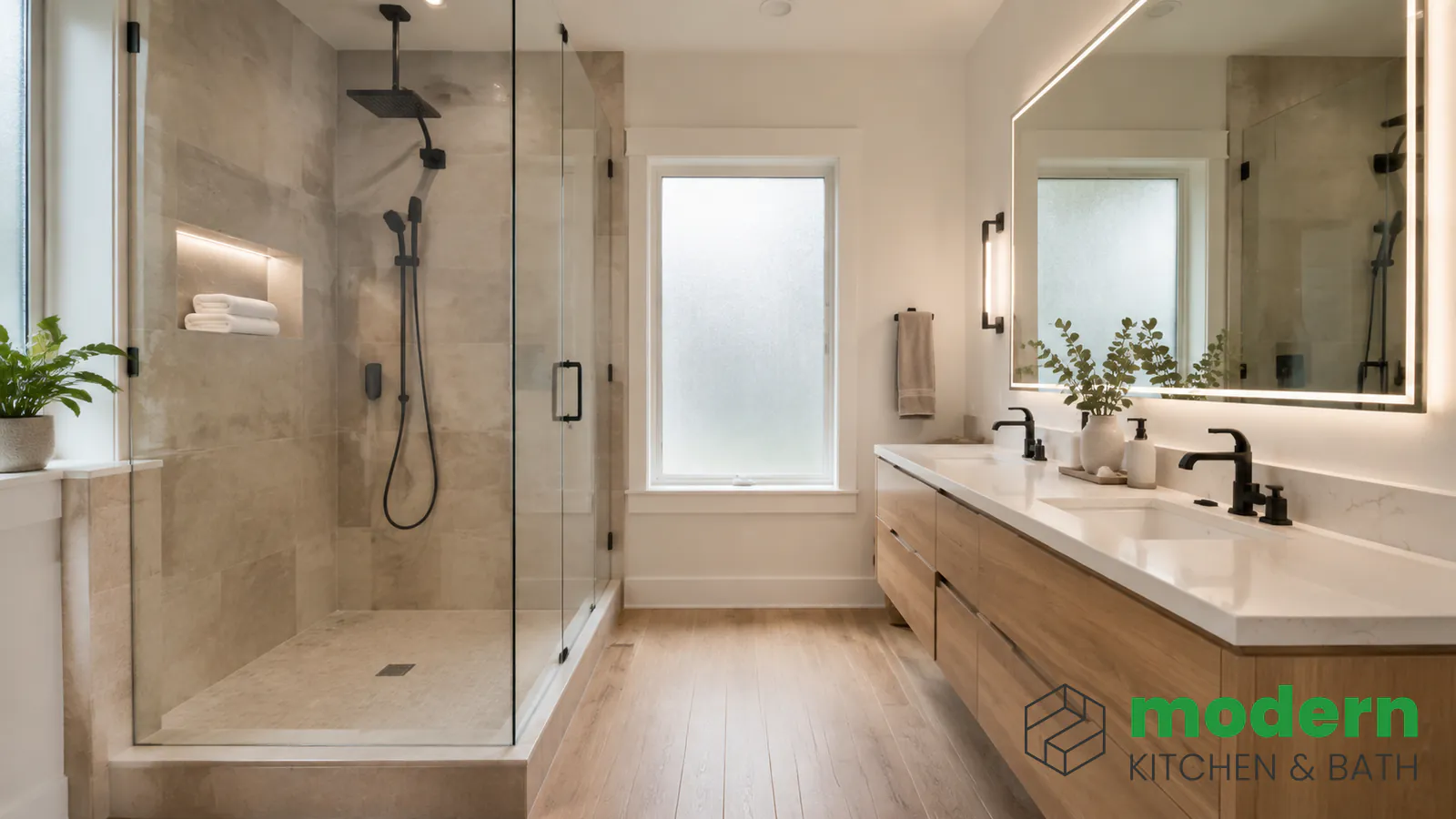
A powder room runs about $7,000 to $18,000 in Northern Virginia, a standard hall bathroom $30,000 to $55,000, and a primary bathroom $60,000 to $120,000. Here is where the money actually goes, and why online calculators keep coming in low.
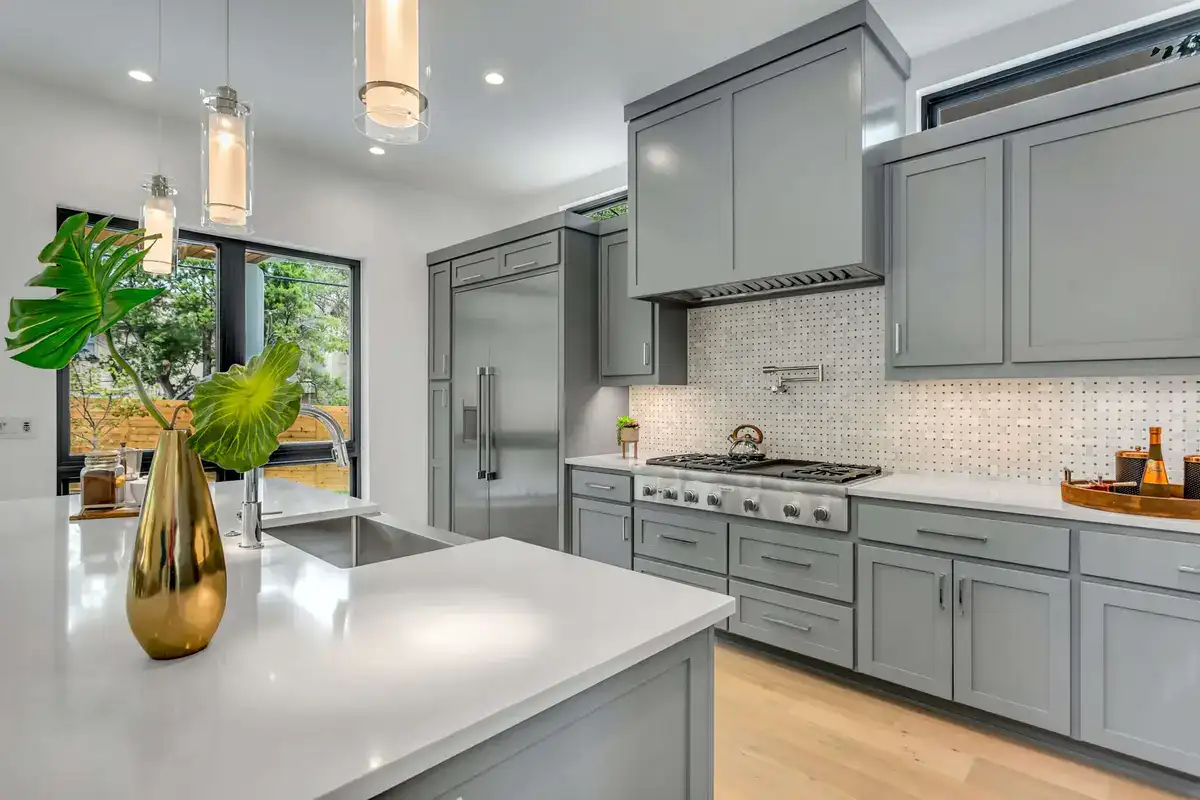
Quick answer: the national average kitchen remodel costs around $27,000 to $35,000, with most projects landing between $15,000 and $75,000 depending on size, scope, and finish level. Minor cosmetic updates start in the mid-teens, and full luxury renovations regularly pass $150,000. In high-cost metros the whole scale shifts up: in the Washington D.C. area, including […]
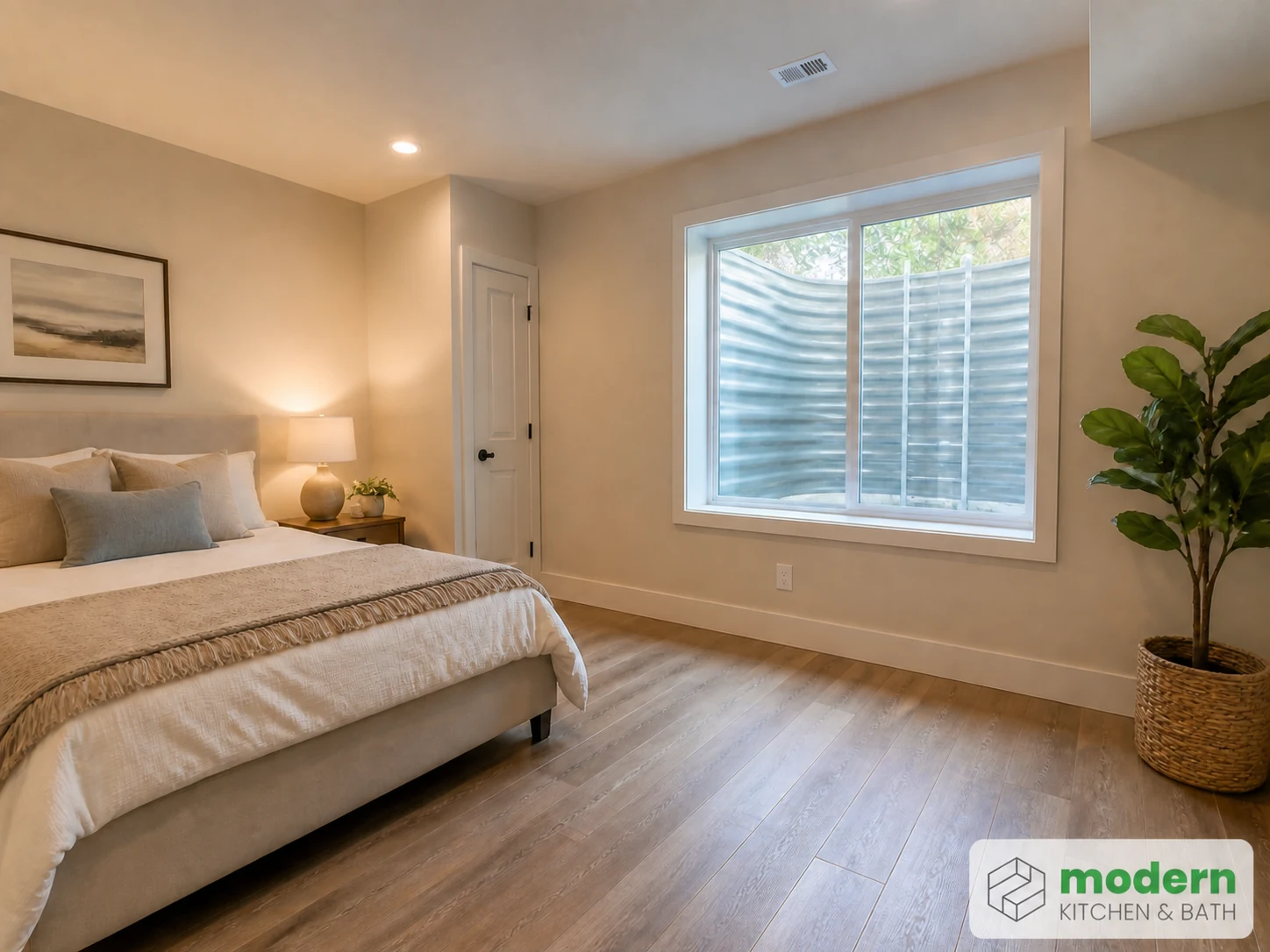
Quick answer: for a typical 1,000-square-foot basement, plan on roughly $55,000 to $65,000 for a basic finish, $85,000 to $125,000 for the most common premium build, and $150,000 to $300,000 or more for a luxury renovation in 2026. Those figures run well above national averages, and that gap is real: Northern Virginia basement projects command […]
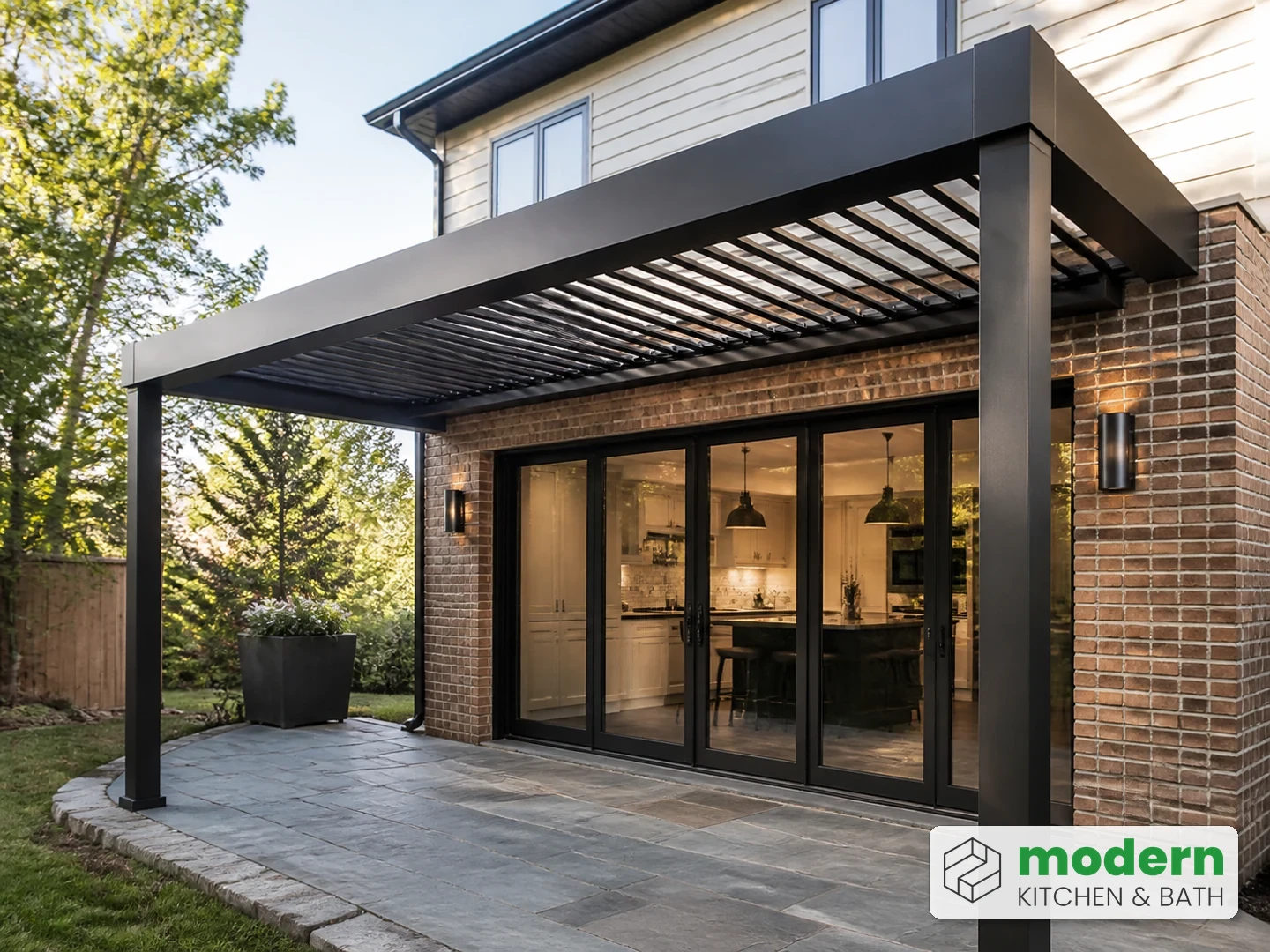
Most guides answer this with two lists of pros and cons and a shrug. In practice your house decides it for you. Here is how your roofline, gutters, windows and door swing determine whether an attached or freestanding pergola is even possible.
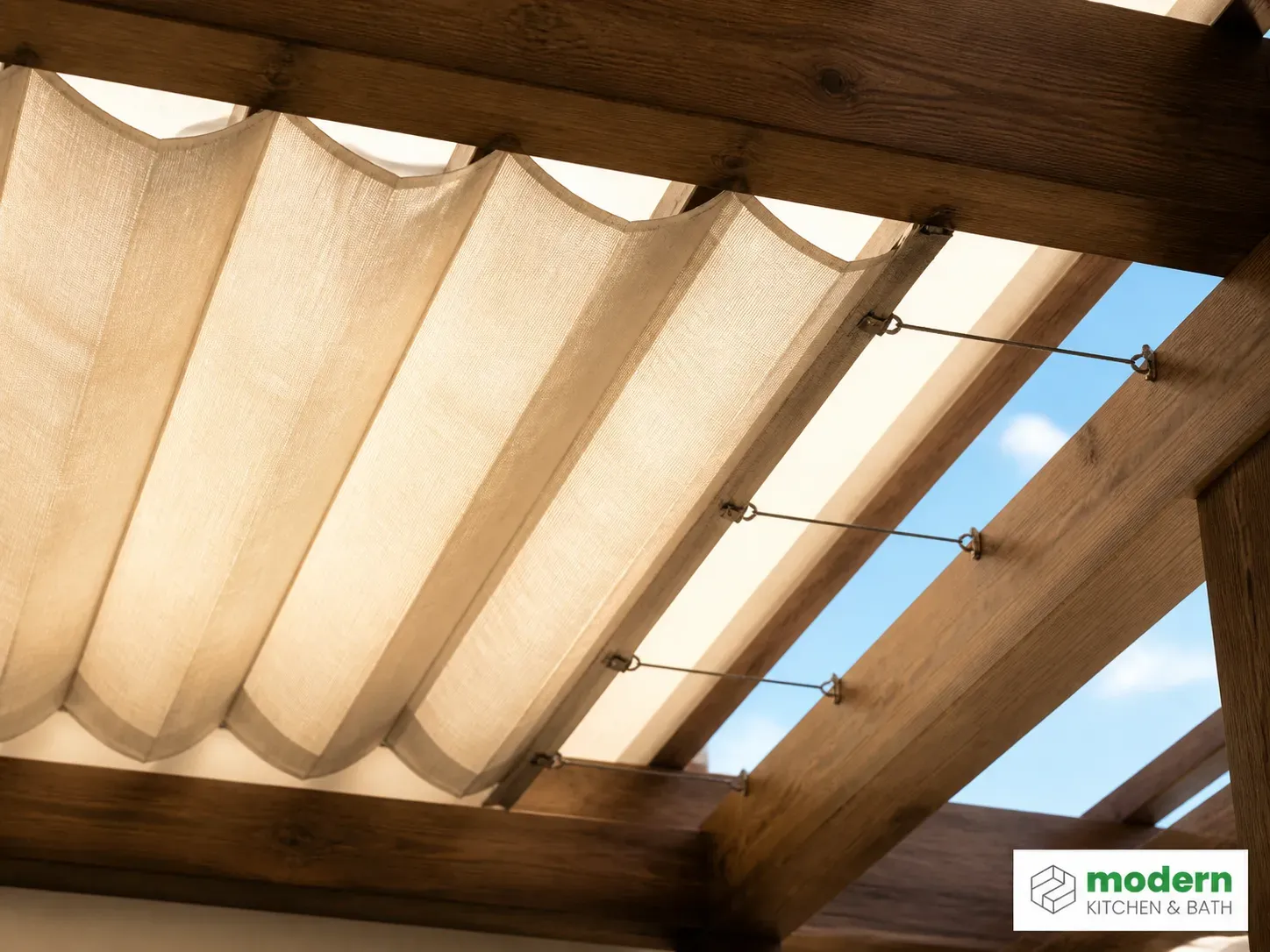
An open-slat pergola defines a space beautifully, but on a west-facing patio in July it can still leave you squinting into the late-afternoon sun. The good news is you don’t need to rebuild anything. Adding real shade to a pergola you already have is usually a weekend project, sometimes an afternoon, and the options range from a fabric sail you hang yourself to a motorized canopy that retracts at the touch of a button. Here are the practical ways to take the sting out of the sun, ranked roughly from fastest and simplest to most involved, with notes on what actually works in Northern Virginia.
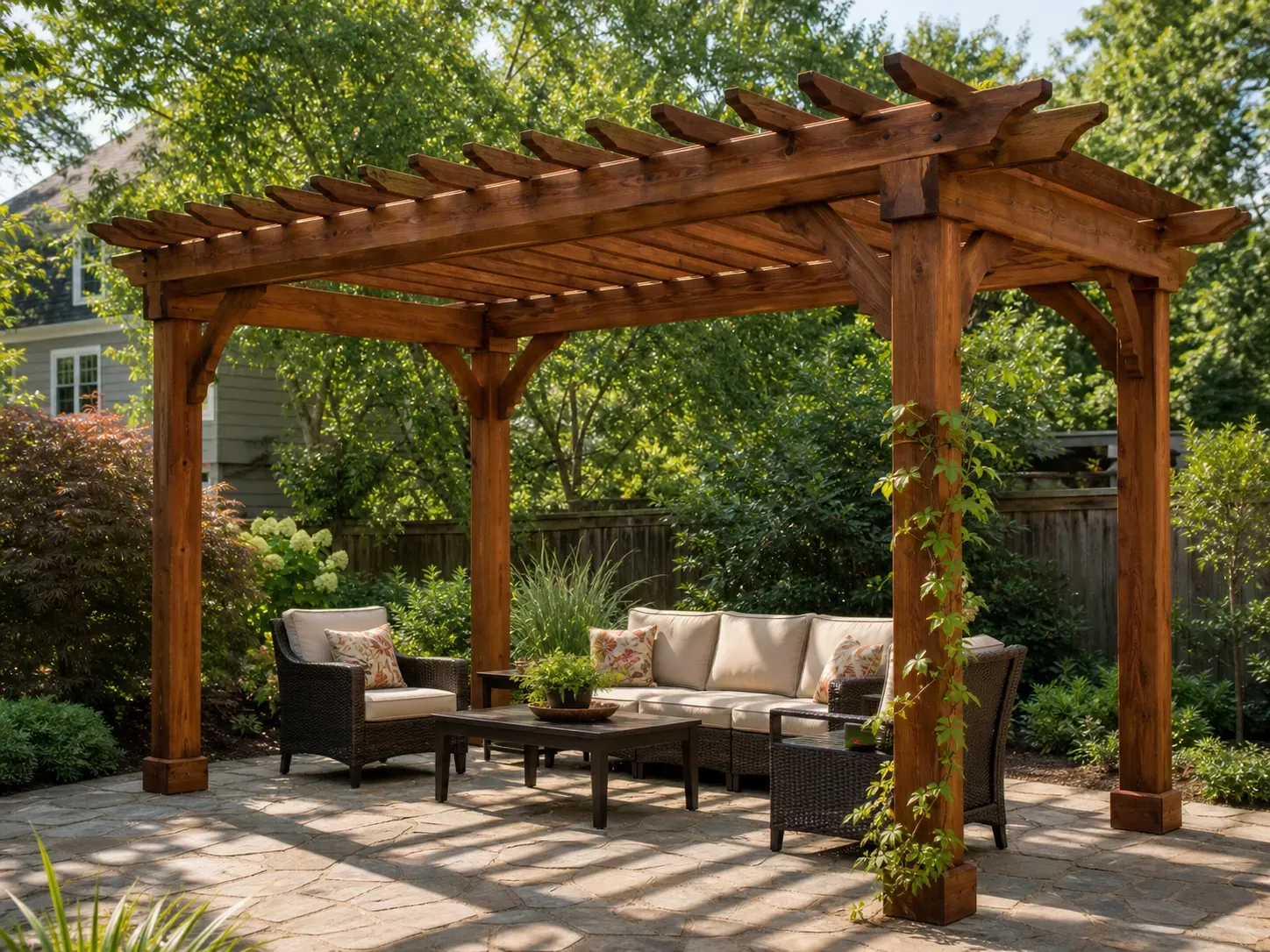
Material is the decision that shapes every other one. It sets how long your pergola lasts, how much upkeep it demands, what it costs upfront, whether it can carry a louvered roof, and how it handles a humid Sterling summer and an icy January. Homeowners tend to start with a look and back into the material, but here the smarter path is the reverse: understand how wood, vinyl, and aluminum actually behave in our climate, then choose the look within the one that fits your life. Here’s the honest comparison for Northern Virginia.