If your kitchen feels tired but the layout still works, you have probably asked the question we hear from Northern Virginia homeowners almost every week: should I paint my cabinets or replace them? The honest answer depends on three things, the condition of your cabinet boxes, your budget, and how long you plan to stay in the house. This guide breaks down what each option actually costs in 2026, how the choice affects your home’s value, and a simple way to tell which path fits your kitchen.
The short answer
Paint your cabinets when the boxes are solid wood or plywood, structurally sound, and you are happy with the layout. It is the cheapest way to get a fresh look.
Replace them when the boxes are sagging, water-damaged, or built from cheap particleboard, or when the layout fights you every single day.
Reface when you want a near-new look without a full teardown. New doors and veneer go over your existing, sound boxes. It is the middle ground on both price and disruption.
Paint vs. Reface vs. Replace at a Glance
Here is how the three options stack up in 2026. The dollar ranges are national averages from cost data published this year. Labor in the Washington DC metro and Northern Virginia tends to run toward the higher end of each range.
| Factor | Painting | Refacing | Replacing |
|---|---|---|---|
| Typical 2026 cost | $1,200 to $7,000 (DIY: $200 to $600) | $4,000 to $10,000 | $4,000 to $13,000 stock; $20,000+ custom |
| Time to finish | 2 to 5 days | 3 to 5 days | 2 to 6 weeks |
| How long it lasts | 8 to 10 years (pro finish) | 10 to 20 years | 10 to 15 yrs stock; 25+ yrs solid wood |
| Change the layout? | No | No | Yes, full redesign possible |
| Add storage? | No | Limited (new hardware, organizers) | Yes, more cabinets and pull-outs |
| Best when | Boxes are sound, you want a quick refresh | Boxes are good but doors look dated | Boxes are failing or layout is wrong |
Is It Cheaper to Paint or Replace Kitchen Cabinets?
Painting is almost always the cheaper route. You reuse the boxes, skip the demolition, and pay mostly for prep and finish instead of new materials. The gap is large enough that it usually decides the matter on its own.
A professional cabinet paint job runs about $1,200 to $7,000 in 2026, with most standard kitchens landing around $3,000 to $4,000. Labor makes up 70 to 80 percent of that, because the result depends almost entirely on prep. A DIY job costs $200 to $600 in materials, but it takes 40 to 60 hours spread over a week or two, and skipped prep is the reason so many home jobs chip within a year.
New cabinets are a different order of spending. Installed stock cabinets start around $4,000 to $13,000, and a custom kitchen can run $20,000 to $30,000 or more once you factor in demolition, delivery, and labor of roughly $477 to $722 per cabinet. Refacing sits between the two at $4,000 to $10,000, which is generally 30 to 50 percent less than a full replacement.
One thing pushing replacement costs up in 2026: a 25 percent tariff on imported cabinets has raised the floor on new cabinetry, especially the budget and stock lines that used to be the cheap option. That widens the gap between painting and replacing even further, and it is one more reason a careful refresh of sound boxes makes financial sense right now.
So if budget is the only thing on your mind, paint wins. The reason to spend more is not the price tag. It is whether your cabinets can support the lighter fix in the first place, and whether you want to change how the kitchen works. More on that below in our full kitchen remodel cost guide.
Does Painting Kitchen Cabinets Devalue Your Home?
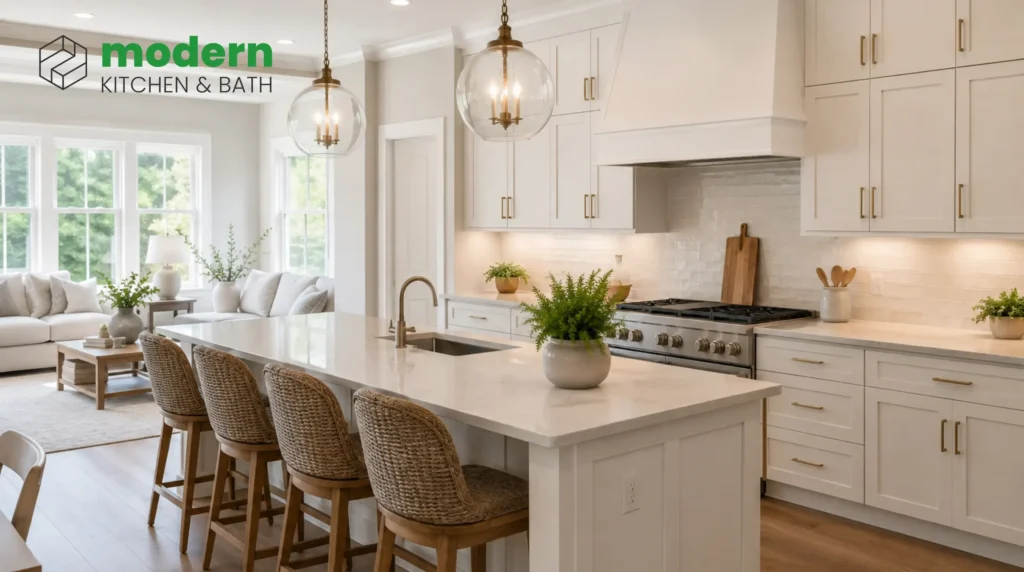
This is one of the most common worries we hear, and the short version is reassuring: a professional paint job in a neutral color does not devalue a home. In most cases it adds value. The National Association of Realtors reports that 53 percent of agents name kitchen updates as the single best value-add in a house, and a minor kitchen refresh that includes cabinet work recoups roughly 77 percent of its cost at resale.
Color matters more than most people expect. Zillow’s paint analysis found that kitchens in light blue or soft gray sold for about $1,809 more than comparable homes in other shades, and a HomeLight survey found that more than 60 percent of agents recommend white, pale gray, or greige for cabinets when resale is the goal.
There is a catch, and it is the reason the “painting hurts value” myth exists at all. A bad paint job hurts. Peeling finishes, visible brush marks, drips, or a bold trend color that screams a specific year will turn buyers off and read as deferred maintenance. The fix that protects your value is not avoiding paint. It is hiring someone who preps and sprays properly, and choosing a color buyers will still like in five years.
Benefits of Spraying Cabinets vs. Replacing Them
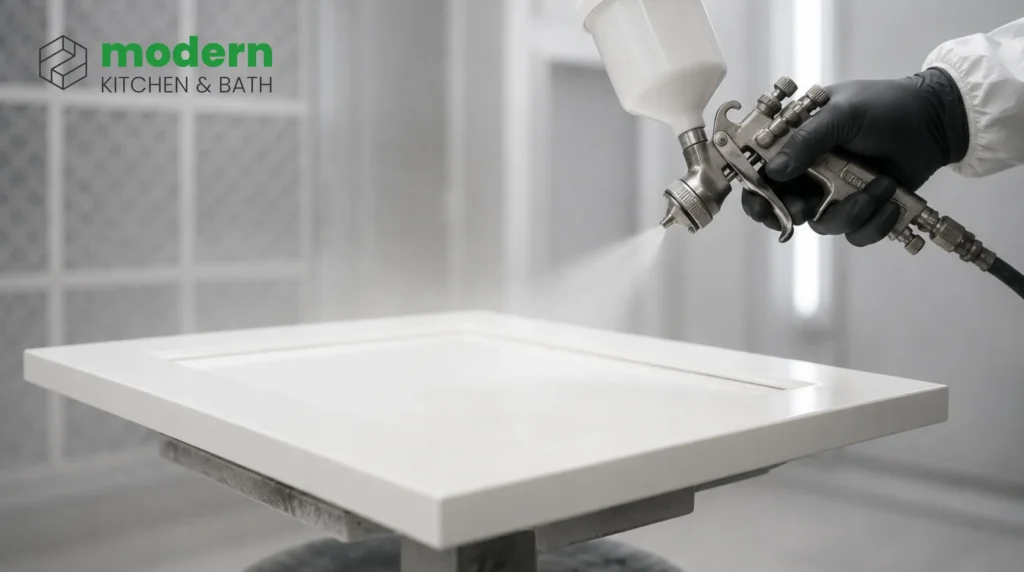
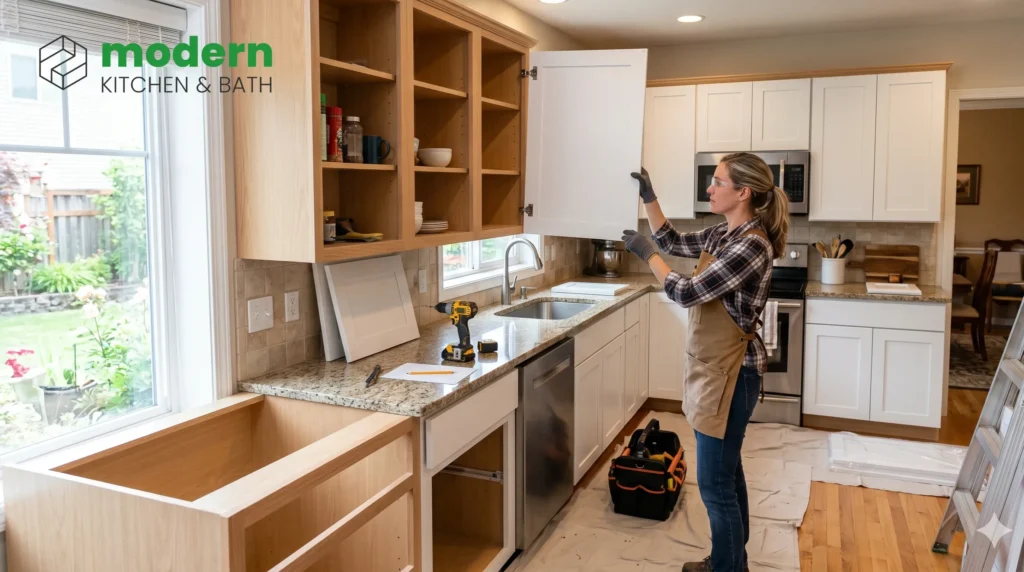
When people picture a cheap cabinet paint job, they picture brush marks. Spraying is what closes the quality gap with new cabinets. A pro removes every door and drawer front, degreases, sands, applies a bonding primer, and lays down two coats of cabinet-grade enamel, often in a spray booth. The finish comes out smooth and factory-like, without the texture a brush leaves behind.
Compared with replacing, a sprayed finish gives you most of the visual payoff for a fraction of the cost and disruption. You keep your kitchen usable for most of the project, you avoid demolition and the dust that comes with it, and you spend days instead of weeks. Spraying does cost more than brush-and-roll, roughly $2,500 to $4,500 versus $1,500 to $2,500, but the difference in how the kitchen looks is hard to miss. Homeowners who brushed by hand tend to say the same thing afterward, that they wish they had sprayed.
What spraying cannot do is fix bad bones or a bad layout. If the boxes are sound and you only want a new look, spraying is the smart money. If you need more storage or a different footprint, paint of any kind is the wrong tool, and that is when new cabinets earn their cost.
Not All Cabinet Paint Is the Same
Here is the detail that separates a finish that lasts a decade from one that peels in a year, and almost nobody tells homeowners about it. The paint itself matters as much as the prep.
Standard wall paint, the latex in a can from the hardware store, was never built for cabinets. It stays soft, scratches, and sticks to itself where doors meet frames, and it tends to fail within three to five years. The current professional standard is very different. Cabinet-grade urethane enamels like Sherwin-Williams Emerald Urethane and Benjamin Moore Advance cure to a hard, washable shell and hold up for years. At the top end, two-part (2K) polyurethane finishes chemically cross-link as they cure, which is why they shrug off household cleaners, grease, and impact, and can last 15 to 20 years.
The takeaway for your decision: a properly painted kitchen using the right product is not the short-lived patch it used to be. When you get a quote, ask exactly what product goes on your cabinets. If the answer is plain latex, that is the recipe for the peeling jobs everyone warns about. If it is a cabinet-grade enamel or a 2K finish, you are getting something built to last.
The Real Problems With Painting Kitchen Cabinets
Painting is the budget winner, but it comes with honest trade-offs you should know before you commit.
- Paint highlights damage it cannot hide. Warped doors, deep chips, and dents look worse once a uniform color draws the eye to them.
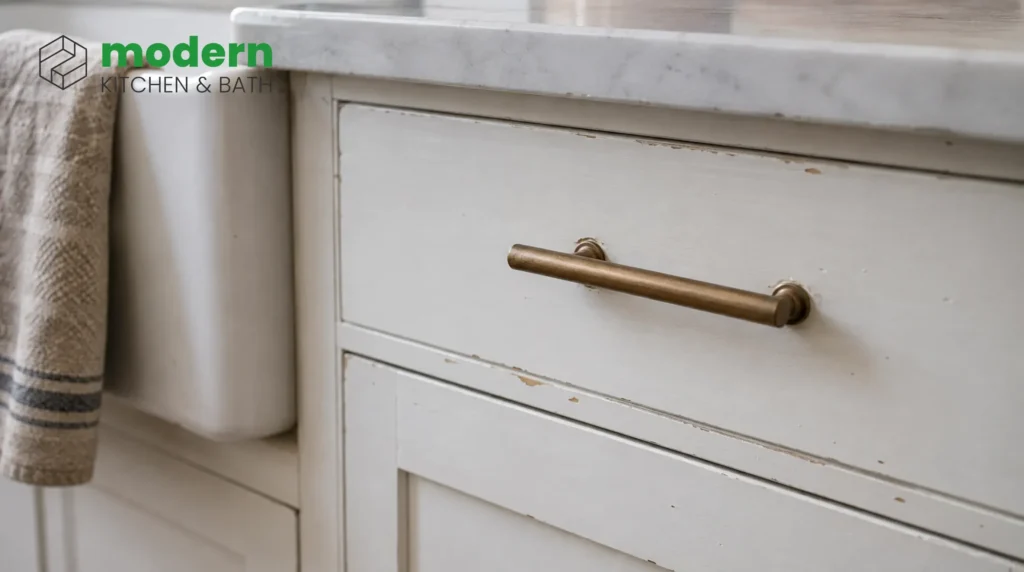
- Wear shows where the kitchen works hardest. Paint chips and rubs thin around the handles, on base cabinets, and near the sink and stove. Homes with kids or pets see it sooner. Even a pro finish runs about 8 to 10 years before those spots need touch-ups.
- Some surfaces resist paint. Slick thermofoil, certain laminates, and metal need special primers, and results can still disappoint.
- Touch-ups are part of the deal. Chips happen, and matching the finish later takes care.
- It cannot solve a layout problem. If the issue is too little storage or cabinets in the wrong place, a new color will not help.
None of these are dealbreakers for the right kitchen. They are the reasons painting is a refresh, not a renovation.
One thread runs through nearly every cabinet-painting horror story: prep. The finishes that peel within a year almost always skipped proper cleaning, sanding, and priming. The ones that last a decade did not. That is the real line between a paint job worth doing and one you will regret, and it is the main reason a careful pro finish outlasts a rushed weekend job.
Think twice before you paint solid wood
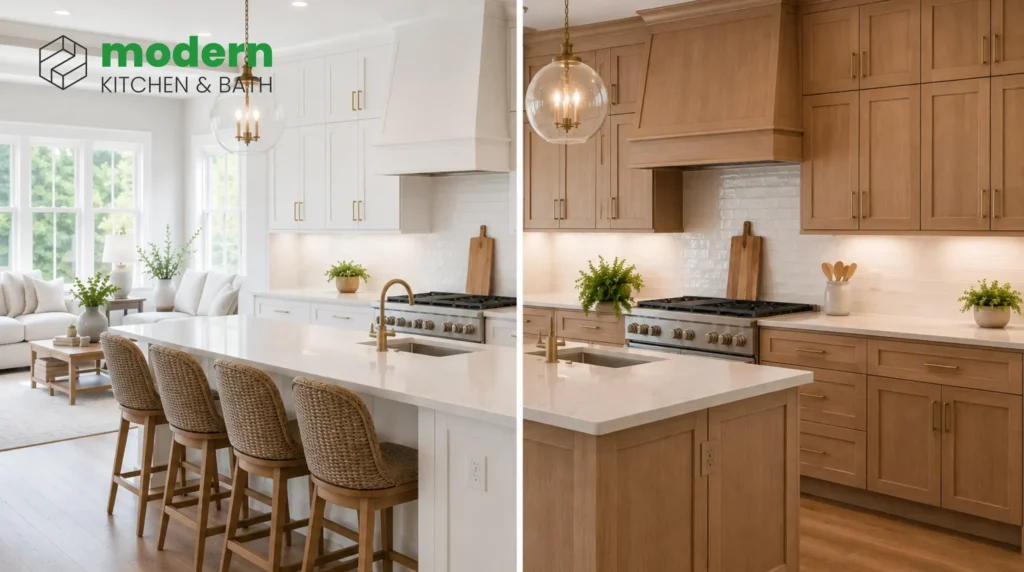
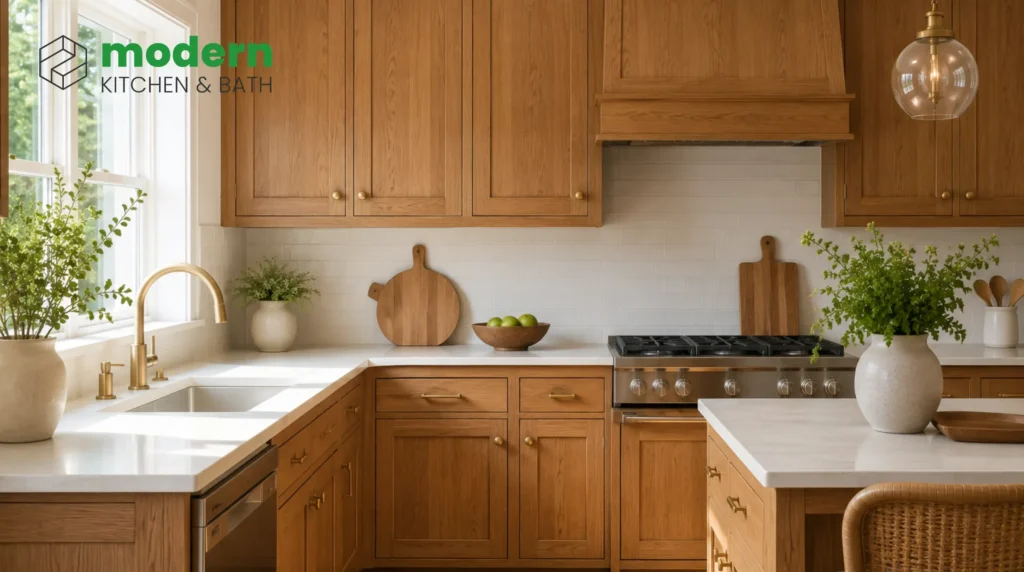
Painting real oak, maple, or cherry in good condition is close to a one-way door. Stripping paint back off later is miserable and rarely looks right, and natural wood has swung back into style heading into 2026. Design surveys now show wood cabinets edging out white as the most-specified choice for the first time in nearly a decade, with white oak leading the way. The most common regret we hear, and one of the most common regrets homeowners share online, is from people who painted nice wood and later wished they had kept it.
If your boxes are genuine wood and structurally sound, look at the lighter moves first: new hardware, a fresh backsplash, updated lighting, or re-staining in a different tone. You can always paint later. Going back to wood is the hard part.
When Painting Is the Right Call
Lean toward painting when most of these are true:
- The boxes are solid wood or plywood and feel sturdy, with no sagging shelves or loose joints.
- You like where the cabinets are and how the kitchen flows.
- Your main complaint is the color or dated finish, not the function.
- You want the lowest cost and the shortest disruption.
- You may sell within a few years and want a clean, neutral look for listing photos.
When You Should Replace (and When to Reface Instead)
Replacing is the right move when the cabinets have problems paint cannot reach. Water damage, mold, warping, sagging particleboard, and peeling veneer are all structural issues, and covering them is a temporary patch at best. The other clear case is layout. If the cabinets sit in the wrong places or there are simply not enough of them, replacement is the only path that lets you redesign the space, add storage, and build in pull-outs and soft-close drawers.
One thing worth checking before you replace: skip the cheapest particleboard cabinets you find online. Homeowners consistently regret them within a few years when the boxes swell and shelves bow. If you are going to invest in new, invest in boxes that will outlast the finish.
Refacing is the option people forget. If your boxes are sound but the doors look dated, refacing gives you new doors, drawer fronts, and veneer over the existing frames. You get a near-new kitchen for 30 to 50 percent less than full replacement, it lasts 10 to 20 years, and homeowners typically recoup 70 to 80 percent of the cost at resale. For a lot of NoVA kitchens with good 1990s oak or maple boxes, it is the sweet spot between paint and a full rebuild. Browse modern cabinet ideas if you are still deciding on a look.
A Word for Northern Virginia Homeowners
Labor costs in Sterling, Reston, Ashburn, Fairfax, and the rest of the DC metro run above the national average, which means a quote here often lands at the upper end of the ranges above. It also means the quality of the crew matters more, because you are paying for skilled labor either way. The good news is that the decision itself is the same one we walk clients through in person: we look at the boxes, the layout, and your timeline, then tell you honestly whether paint, refacing, or new cabinets gives you the best result for the money.
Not sure which option fits your kitchen?
Modern Kitchen & Home Solutions has refreshed and rebuilt kitchens across Northern Virginia for years. Tell us what is bothering you about yours and we will give you a straight answer.
Or call us at (571) 325-2454 · 47100 Community Plaza #132, Sterling, VA 20164
Frequently Asked Questions for Replacing vs Painting Kitchen Cabinets
Is it cheaper to paint or replace kitchen cabinets?
Painting is almost always cheaper. A professional paint job costs about $1,200 to $7,000 in 2026, while new cabinets start around $4,000 to $13,000 for stock and climb past $20,000 for custom. You save because you reuse the boxes and skip demolition.
Does painting kitchen cabinets devalue your home?
No, not when it is done well. A professional finish in a neutral color usually adds value, since a minor kitchen update recoups around 77 percent of its cost. Painting only hurts value when the job is sloppy, the finish peels, or the color is bold and dated.
What are the benefits of spraying cabinets instead of replacing them?
A sprayed finish gives a smooth, factory-like look for far less money and disruption than new cabinets. You avoid demolition, keep the kitchen mostly usable, and finish in days rather than weeks. The trade-off is that spraying cannot fix failing boxes or a poor layout.
How long does a professional cabinet paint job last?
About 8 to 10 years with proper prep and cabinet-grade paint. Doors near the sink and stove wear first because of moisture and heavy use. Refacing lasts 10 to 20 years, and new solid-wood cabinets can last 25 years or more.
Is it worth repainting kitchen cabinets?
Yes, if the boxes are sound and you like your layout. Painting is one of the highest-return updates in a kitchen, and it transforms the look for a small share of what a remodel costs. It is not worth it if the cabinets are structurally damaged or you need more storage.
What kind of paint should be used on kitchen cabinets?
Not standard wall latex, which stays soft and peels within a few years. Cabinets need a cabinet-grade urethane enamel such as Sherwin-Williams Emerald Urethane or Benjamin Moore Advance, or a two-part (2K) polyurethane for the most durable finish. The right product is the difference between a kitchen that holds up for a decade and one that chips in a year, so always ask a painter exactly what they plan to use.
Can all kitchen cabinets be painted?
Most wood and MDF cabinets paint well, and MDF is actually one of the best surfaces because it stays stable and does not move with humidity. Tight-grained woods like maple and cherry take paint cleanly. Open-grained oak can show its grain lines through the finish unless it is filled first. Slick thermofoil, some laminates, and metal need special bonding primers and do not always cooperate. If your boxes are warped, water-damaged, or made of swelling particleboard, painting will highlight the flaws rather than hide them, and replacement is the better choice.
Found this helpful? Make us your go-to source on Google
If our content has been useful, you can tell Google to show more of it when you search. Click below, then check the box next to Modern Kitchen and Bath on the page that opens. It takes about five seconds.

You'll need to be signed in to your Google account. One click, then tick the box next to our name.